The Hidden Connection Between Oral Health and Mental Health
The relationship between dental health and emotional wellbeing represents one of the most fascinating yet underexplored areas of modern healthcare. Whilst many individuals view dental appointments as purely physical maintenance, mounting evidence suggests that the state of one’s oral health profoundly influences psychological wellbeing, creating a complex web of interconnected health factors that deserves careful consideration. This is why visiting a dentist St Albans should be an important part of dental health routines.
Research increasingly demonstrates that the mouth serves as more than merely the gateway to physical health; it functions as a crucial indicator of overall emotional and psychological wellness. The bidirectional relationship between oral health and mental health creates a cycle where each influences the other, establishing patterns that can either support or undermine a person’s quality of life.
Understanding the Psychological Impact of Dental Health
The psychological ramifications of poor dental health extend far beyond physical discomfort. Individuals experiencing dental problems often report decreased self-confidence, social anxiety, and reluctance to engage in professional or personal interactions. The visible nature of dental issues means that concerns about appearance can significantly impact one’s emotional state and social behaviour.
Studies reveal that people with dental problems frequently experience heightened levels of stress and anxiety, particularly in social situations. The fear of judgement regarding one’s smile or breath can lead to social withdrawal, affecting relationships, career prospects, and overall life satisfaction. This psychological burden often compounds existing dental problems, creating a cycle that requires comprehensive attention from healthcare professionals.
How Stress Manifests in Oral Health
The connection between emotional stress and dental health operates through several distinct pathways. Chronic stress can directly contribute to cavity formation and gum disease, as elevated stress hormones affect the body’s immune response and increase inflammation throughout the oral cavity.
Stress-related behaviours further exacerbate dental problems. Many individuals unconsciously grind their teeth during periods of anxiety or tension, leading to enamel wear, jaw pain, and temporomandibular joint disorders. Additionally, stress often correlates with poor dietary choices and neglected oral hygiene routines, creating conditions that favour bacterial growth and dental decay.
The Role of Professional Dental Care in Emotional Wellbeing
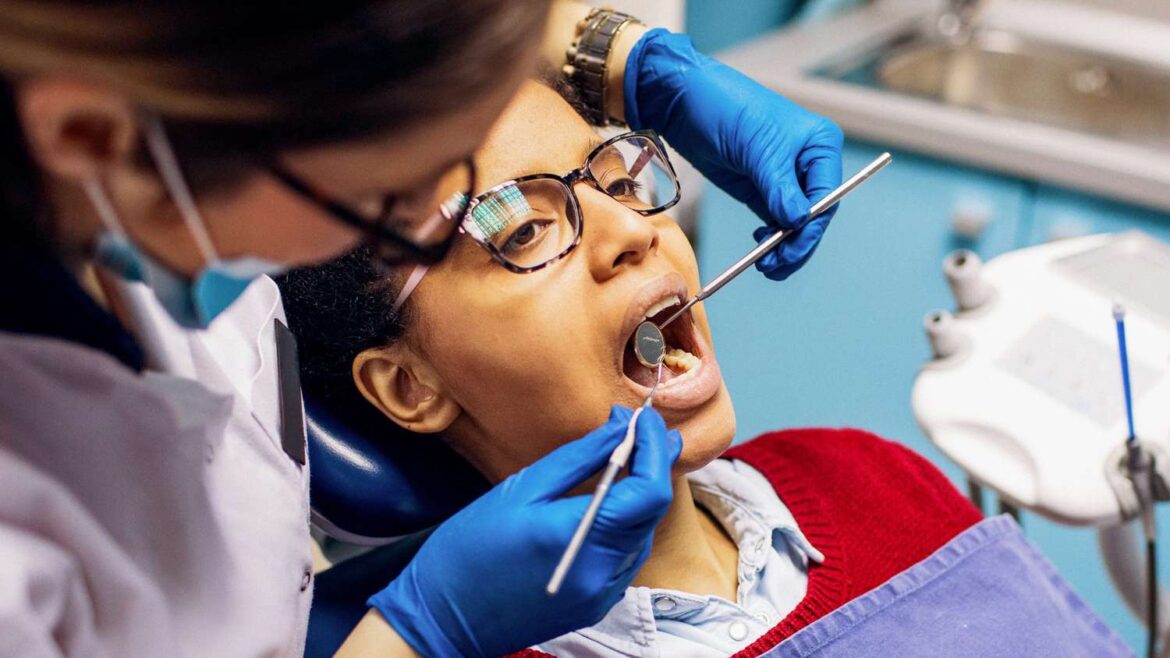
Professional dental intervention plays a crucial role in breaking the cycle between poor oral health and emotional distress. When individuals receive appropriate dental treatment, they often experience immediate improvements in self-confidence and social comfort. A dentist patients trust can provide comprehensive care that addresses both the physical and psychological aspects of dental health, recognising the importance of patient comfort and emotional support throughout treatment processes.
The Neuroscience Behind Oral Health and Mood
Recent neuroscientific research has unveiled compelling connections between oral health and brain function. The trigeminal nerve, which serves the oral cavity, maintains direct pathways to brain regions responsible for mood regulation and stress response. When dental problems cause chronic pain or discomfort, these neural pathways can trigger cascading effects throughout the limbic system, potentially contributing to depression and anxiety disorders.
Furthermore, the oral microbiome plays an increasingly recognised role in mental health. Beneficial bacteria in the mouth contribute to overall systemic health, whilst pathogenic bacteria associated with gum disease can trigger inflammatory responses that affect neurotransmitter production and mood regulation. This emerging field of research continues to reveal the sophisticated ways in which oral health influences cognitive and emotional functioning.
Preventive Strategies for Holistic Wellbeing
Maintaining optimal oral health requires a comprehensive approach that acknowledges the emotional dimensions of dental care. Regular professional cleanings and examinations serve not only to prevent dental problems but also to identify early signs of stress-related oral health issues. Many dental practices now incorporate stress-reduction techniques and anxiety management strategies into their treatment protocols.
Lifestyle modifications can significantly support both oral and emotional health. Mindfulness practices and stress management techniques help reduce teeth grinding and jaw clenching, whilst maintaining consistent oral hygiene routines provides a sense of control and self-care that supports psychological wellbeing. The interconnected nature of oral and mental health makes these holistic approaches particularly effective.
Building Comprehensive Healthcare Approaches
Healthcare providers increasingly recognise the importance of addressing oral health within broader mental health treatment plans. Collaborative care models that involve dental professionals, mental health specialists, and primary care physicians create more effective treatment outcomes for patients experiencing interconnected oral and emotional health challenges.
Understanding the bidirectional relationship between oral and mental health enables healthcare providers to develop more nuanced treatment approaches that address root causes rather than merely treating symptoms.
Moving Forward with Integrated Care
The intersection of dentistry and emotional wellbeing represents a frontier in healthcare that promises improved outcomes for patients when approached thoughtfully. By recognising the profound connections between oral health and psychological wellness, individuals can make informed decisions about their healthcare that support comprehensive wellbeing. This integrated understanding transforms dental care from a purely mechanical process into a vital component of holistic health maintenance that supports both physical comfort and emotional resilience throughout life.